Stainless Steel Flux-cored Wire for Surfacing
2022-07-18
Surfacing is an important branch of welding, which is to modify the surface of work piece by means of welding to meet the performance requirements in service. In the petrochemical industry, it is often necessary to weld stainless steel layer on the surface of hydrogenation reactor, flange and other work pieces to improve the corrosion resistance and prolong the service life.
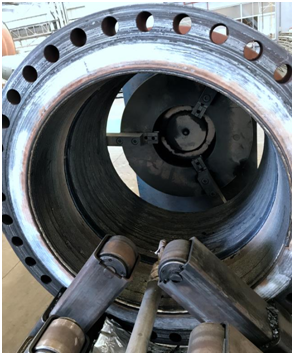
Stainless steel flux-cored wire surfacing (FCAW) has many advantages, such as high production efficiency, good welding quality and excellent process performance. It has been widely used in the pressure vessel industry worldwide.
Common stainless steel flux-cored wires for surfacing are as follows:

FCAW main evaluation technical requirements for double layer surfacing:
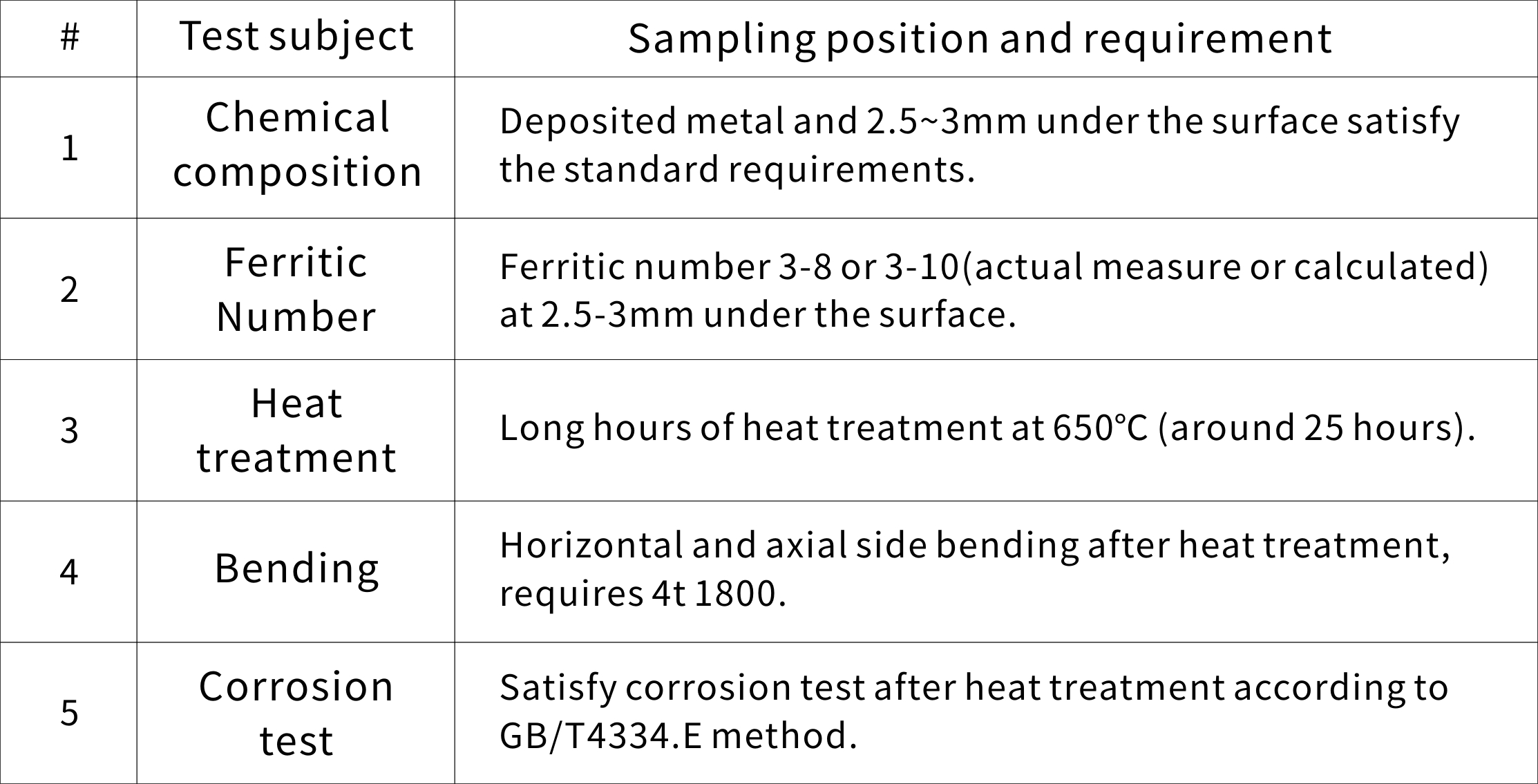
Gintune’s products satisfy the chemical composition and ferritic number requirements. On top of that, there is no cracks on bending nor intergranular corrosion cracks after long hours of heat treatment at 650℃.
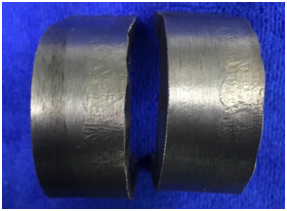

Pic(a) Horizontal side big bending, no cracks Pic(b) Axial side big bending, no cracks
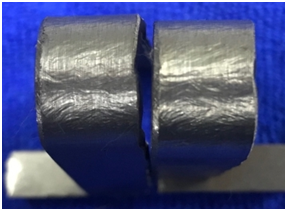

Pic (c) Horizontal side small bending, no cracks Pic(d) Axial side small bending, no cracks
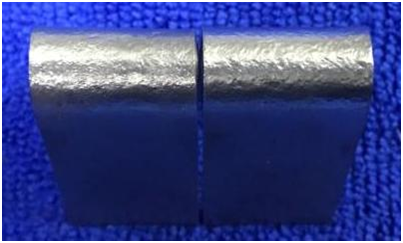
Pic (e) Intergranular corrosion test, no cracks
Surfacing welding process:
(1)Must carefully clean the surface of the base metal.
(2)Strictly control the FCAW surfacing parameters.
(3)During surfacing, the interpass temperature should be controlled below 100℃.
(4)Ensure the purity of CO2 and preheat it .
The stainless steel flux-cored wire surfacing (FCAW) process is complex, and there are many factors that affect the formation and quality of stainless steel surfacing layer. Selecting the appropriate FCAW surfacing stainless steel process parameters can obtain a good quality stainless steel surfacing layer. It is hoped that the user can ensure that the surfacing process is stable, and obtain a uniform, smooth, corrugated and beautiful weld bead.
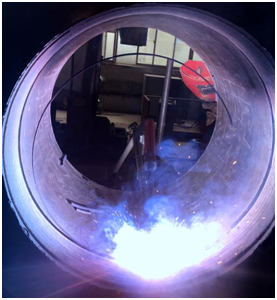
GFS-309L+GFS-347L Surfacing onsite
<< return
prev:Introduction: Welding Consumab...
next:The Application on Stainless S...